An Oral Surgeon Discusses Their Role in Oral Health Care
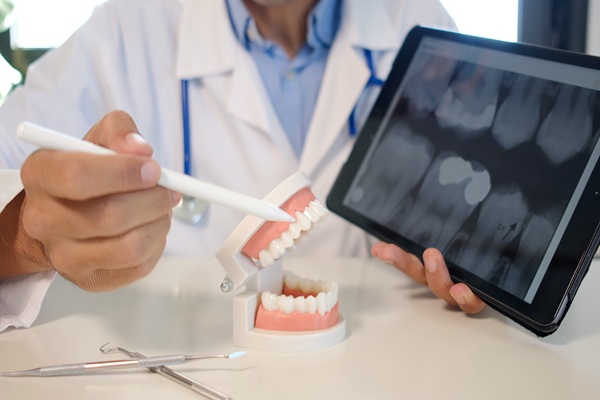
When there is a problem that requires surgery on the nose, lips, jaws or other areas of the face, the services of the oral surgeon are often required for oral health care. The surgery could serve both functional and cosmetic purposes, but the objective is the same: Provide patients with effective treatment. This article covers the roles played by an oral surgeon in oral health care.
The roles of an oral and maxillofacial surgeon
These surgeons combine both dental and medical specialty. The work that they do is more delicate than any other dental specialty. Every dentist, whether they are specialists or generalists, spend between seven to eight years in college and dental school to obtain a doctor of dental surgery (DDS) degree or doctor of dental medicine degree (DDM). These two degrees are equivalent and allow the dentist to practice general dentistry after getting a state license. An oral surgeon, however, spends an extra four to six years in training after dental school, mostly in a hospital-based surgical setting.
The surgeon can decide to forgo dental areas outside their scope of specialty study and focus primarily on performing oral surgeries. The procedures include the following.
Dental implant placement
The placement of dental implants is perhaps the most common procedure performed by oral surgeons. In the process, they will insert a titanium screw into the jaw to fill the gap left by missing teeth. A dental prosthesis is attached to the head of the implant via an abutment to complete the dental restoration process. Dental implants have a success rate of 95%, but this is only if an experienced dental specialist handles the process.
Corrective jaw surgery
The oral surgeon can also correct misaligned teeth. Orthognathic or jaw surgeries are complicated and delicate procedures. The surgeon will ensure that the patient gets the appropriate surgery, especially if they are experiencing chewing or speaking problems or suffering from trauma that affected facial appearance. The surgery will correct the jaw’s position to restore normal oral functions.
Cleft palate and lip correction
Common congenital disabilities include cleft palates and cleft lips. Patients affected by this condition will find it challenging to swallow food or speak if the issue is left untreated. According to the National Institute of health, cleft lip surgery is usually done when the child is between three to six months of age. Correction of cleft palate is done on children between 9 to 12 months of age.
Tooth extraction
Simple teeth extraction does not require surgery. However, when a wisdom tooth is impacted (fails to erupt from the gums) or a tooth breaks close to the gums, the oral surgeon needs to perform surgical extraction to remove the tooth. Most of the cases of surgical teeth extraction involve the wisdom teeth.
Schedule a consultation
The oral surgeon plays a crucial role in oral health care. When their services are required, the patient will need to schedule a consultation to discuss their requirements. During the meeting, there will be a chance to get answers to vital questions before proceeding with dental surgery.
Request an appointment here: https://stratford.premieroralsurgeryct.com or call Premier Oral Surgery & Implantology Center at (203) 760-0190 for an appointment in our Stratford office.
Check out what others are saying about our dental services on Yelp: Oral Surgery in Stratford, CT.
Related Posts
If you are preparing to receive oral surgery, there are a few factors to consider when it comes to anesthesia and which type an oral surgeon may recommend. There are two main types to choose from: local anesthesia and general anesthesia. An oral surgeon will consider various factors, including comfort level, pain tolerance, and budget.Local…
Oral surgery can restore your smile. It can also bring back your normal dental function and general health. Understanding the process is important before your appointment. Here are three FAQs about oral surgery that can help you do so.The surgeon will tell the patient to prepare for the procedure. This will help ensure the possible…
Oral surgery can address various dental issues, providing relief and preventing further complications from impeding oral health. While people may not always be eager to go through surgery, it can be the most effective option for treatment. Here are a few tips to help the recovery period run smoothly.One of the most important things to…
Wondering whether your jaw pain necessitates oral surgery? Read on to learn more. Jaw pain can be debilitating and disrupt everyday activities like speaking, eating, and even sleeping. The causes of jaw pain can range from mild and temporary to chronic and severe. Conservative treatments or dental interventions are often enough, but sometimes, the underlying…