Common Questions To Ask a Sedation Dentist
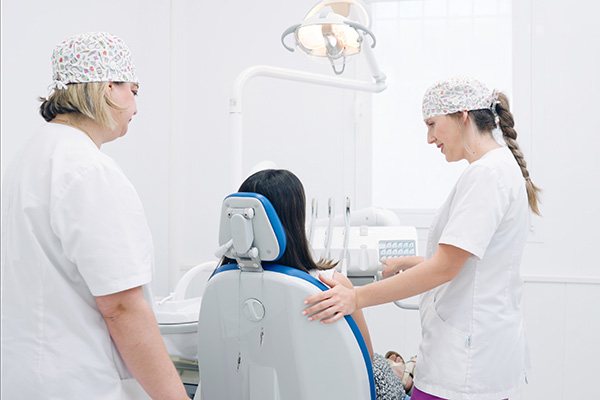
A sedation dentist helps patients feel calm, safe, and comfortable during procedures that might otherwise cause anxiety, especially in an oral surgery setting. When someone searches for a sedation dentist, it usually means comfort and safety sit at the top of the priority list. Asking the right questions before treatment builds trust and clarifies how sedation will support a smooth visit. Here are a few to consider before your consultation.
What types of sedation are available at this practice?
One of the first questions to ask a sedation dentist involves the types of sedation available. Some offices provide nitrous oxide (laughing gas) for mild relaxation, while others also offer oral conscious sedation, IV sedation, or deeper levels of anesthesia for more complex procedures. Each option supports a different level of comfort, and not every method fits every patient or treatment plan.
The oral surgeon explains which type of anesthesia works best for the procedure, the patient's medical history, and the patient's anxiety level. Understanding whether the patient remains awake but relaxed or sleeps through the visit helps with planning and peace of mind. Knowing the benefits and limits of each form of sedation also makes informed consent easier.
Is sedation safe?
Safety remains a central topic when selecting a sedation dentist. Patients benefit from asking how the team evaluates medical history, current medications, allergies, and previous experiences with anesthesia. This information guides the sedation dentist in choosing an appropriate sedative and dosage.
The oral surgery team may request lab work, medical clearance from a physician, or additional tests for patients with heart, lung, or metabolic conditions. Oxygen level, heart rate, and blood pressure monitors remain in place throughout the procedure. Regardless, hearing how these steps work in detail reassures patients that safety receives careful attention at every stage.
What happens before, during, and after sedation?
A sedation dentist outlines what the patient should do in the hours leading up to the appointment. This often includes fasting instructions, guidance about regular medications, and recommendations for comfortable clothing. Arranging for a responsible adult to drive home after deeper levels of sedation also remains important.
During the procedure, patients often feel deeply relaxed and may remember little, depending on the type of sedation. The team closely observes vital signs and comfort, adjusting as needed. After treatment, the oral surgeon explains how long grogginess may last, when eating and drinking can resume, and how to manage any discomfort at home, including prescription or over-the-counter (OTC) medication, ice packets, and staying home from school or work.
How will sedation affect recovery?
Many patients worry that sedation will make recovery harder or longer. A sedation dentist can explain how the chosen method influences the first few hours after the procedure. For example, nitrous oxide usually wears off quickly, whereas oral or IV sedation may take the rest of the day to fully wear off. Remember that sedation itself does not usually slow healing of the surgical area, but it can affect coordination, memory, and concentration for a short period. Clear instructions about rest, activities to avoid, and signs that require a call to the office support a safe recovery.
Consult a Stratford sedation dentist
Choosing a sedation dentist becomes easier when patients know which questions to ask about options, safety, expectations, recovery, and training. Do you have more questions about sedation or a particular procedure? Contact Premier Oral Surgery & Implantology Center to schedule a consultation.
Request an appointment here: https://stratford.premieroralsurgeryct.com or call Premier Oral Surgery & Implantology Center at (203) 760-0190 for an appointment in our Stratford office.
Check out what others are saying about our dental services on Yelp: Sedation Dentist in Stratford, CT.
Related Posts
While people can feel anxious about certain dental procedures, IV sedation offers a safe and effective way to help patients stay calm and comfortable while allowing a dental provider to complete necessary treatments. No matter how patients feel about dental treatment, avoiding dental care can negatively impact one's oral health. Learning about the benefits and…
Searching for the most knowledgeable and skilled oral surgeon in your area can be challenging. But if you find the right dental care provider, you can achieve the enhancements that you want or need. Finding the right provider will need a little effort. Here are some tips you must consider for choosing the oral surgeon…
All on 4 dental implants are permanent solutions to missing teeth. This dental replacement system can replace many teeth in one dental arch. It can also replace a full dental arch. You can achieve a natural-looking smile while enhancing your oral health. Here are the details on why All on 4 is the most effective…
Wisdom teeth extractions are common procedures performed by an oral surgeon to prevent or address crowding, infection, and other complications associated with third molars. While the extraction itself is straightforward, proper care during the healing period supports a smooth recovery. With a few tips, patients can quickly recover from wisdom teeth extractions and avoid unnecessary…