How Long Does It Take to Heal From an Apicoectomy?
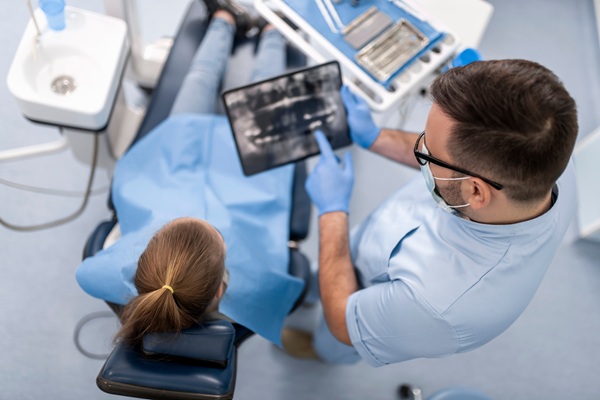
An apicoectomy helps save a tooth when root canal treatment alone cannot resolve infection, and many patients wonder how long it takes to heal after an apicoectomy. Clear expectations about recovery reduce anxiety and support better outcomes. An endodontist reviews the procedure, provides aftercare instructions, and tailors the plan to each patient so the tooth, bone, and gums receive the support they need during healing.
Early healing
Immediately after an apicoectomy, the body starts the repair process. Mild bleeding often slows quickly as a clot forms around the surgical site. The area usually feels numb at first because of the local anesthetic, then feels sore or achy as sensation returns. Swelling often increases over the first forty-eight to seventy-two hours, then gradually improves. Cold compresses, prescribed medication, and rest help manage this early phase of recovery.
The first few days
Most patients experience the greatest discomfort during the first 2 to 3 days after treatment. During this time, a soft-food diet protects the tooth and surrounding tissues. Smooth soups, yogurt, scrambled eggs, and mashed vegetables place less stress on the area and help keep chewing comfortable. The endodontist often recommends gentle brushing away from the site at first, with a gradual return to normal hygiene as soreness improves.
Around one week
Within one week, many patients feel significantly better. Swelling decreases, bruising starts to fade, and daily activities feel easier. The endodontist may schedule a follow-up visit to check the incision, evaluate the bite, and confirm that no signs of infection appear. At this appointment, the clinician may remove any stitches and reinforce home care instructions that protect the tooth during the next stage of healing.
Deeper healing over time
Over the next several weeks, deeper healing continues even after the gums look normal. Bone cells slowly fill in the area around the tip of the root where the apicoectomy removed infected tissue. Patients often resume normal eating and exercise as comfort improves, although they still need to exercise caution with very hard or sticky foods on the treated tooth. Consistent brushing and flossing support healthy gums and reduce the chance of future problems.
Complete bone healing after an apicoectomy often takes several months. The exact timeline depends on overall health, the size of the original infection, and habits such as smoking or nighttime clenching. Conditions such as diabetes or autoimmune disease may slow the process, so close communication with the dental and medical teams is important. Periodic X-rays allow the endodontist to confirm that new bone fills the area and that the tooth remains stable.
Call and schedule a visit today
Patients should contact the endodontist promptly if pain suddenly worsens, swelling returns after an initial improvement, or a pimple-like bump appears on the gums near the treated tooth. These signs may indicate persistent infection or irritation that requires attention. In many cases, however, careful aftercare, healthy lifestyle choices, and regular dental visits support smooth healing after an apicoectomy and help the tooth remain comfortable and functional for many years. For more information or to schedule an appointment, call our office.
To schedule a consultation, please request an appointment on our website at https://stratford.premieroralsurgeryct.com or call Premier Oral Surgery & Implantology Center at (203) 760-0190 to arrange an appointment at our Stratford office.
Check out what others are saying about our services on Yelp: Apicoectomy in Stratford, CT.
Related Posts
Impacted teeth are a common dental condition where a tooth fails to fully erupt into its proper position in the mouth. This can occur due to crowding, abnormal growth angles, or obstruction by other teeth. Oral surgery, performed by specially trained oral surgeons, plays a critical role in managing impacted teeth, especially when complications arise…
A single tooth implant can replace a natural tooth with a titanium rod and an artificial crown. It is custom-fit to fill the dental space after losing a tooth. Knowing more about this dental replacement can help you prepare for your next visit. Here are the details on how a single tooth implant can enhance…
A sinus lift procedure goes by many other names, including sinus elevation, sinus augmentation, and sinus graft. It can be an important step in the process of having a dental implant placed in the upper jaw to replace a missing tooth. The procedure involves raising the floor of one of the maxillary sinuses and filling…
A sedation dentist can provide essential support for patients undergoing oral surgery. These dental professionals prioritize patient comfort by reducing fear associated with dental treatment and making complex procedures safer and more tolerable. The use of sedation dentistry has become increasingly common as more individuals look for ways to minimize discomfort and stress during oral…