The Basics of IV Sedation in Dentistry
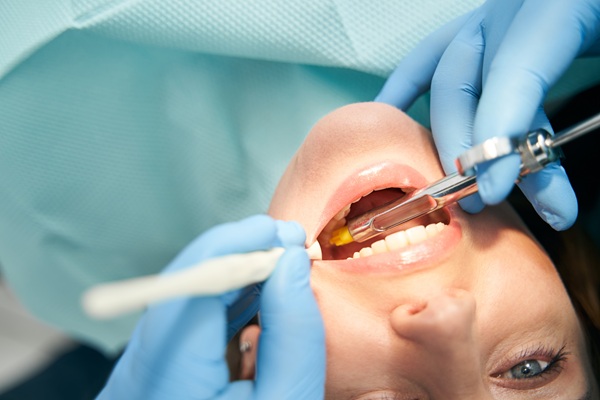
While people can feel anxious about certain dental procedures, IV sedation offers a safe and effective way to help patients stay calm and comfortable while allowing a dental provider to complete necessary treatments. No matter how patients feel about dental treatment, avoiding dental care can negatively impact one's oral health. Learning about the benefits and safety of this sedation option can also ease concerns before an upcoming procedure.
What is IV sedation?
IV sedation is a form of conscious sedation that is administered through a vein. This method allows the sedative to take effect quickly, helping patients feel deeply relaxed while remaining responsive. Unlike general anesthesia, which causes complete unconsciousness, IV sedation allows patients to stay in a semi-conscious state where they can still respond to simple instructions.
Oral surgeons often use this type of sedation for procedures such as wisdom tooth extractions, dental implants, and other surgical treatments. Because the medication is delivered directly into the bloodstream, the level of sedation can be adjusted as needed to ensure maximum comfort.
Who can benefit from IV sedation?
Many patients can benefit from IV sedation, especially those who experience anxiety or fear surrounding dental procedures. This type of sedation is particularly helpful for:
- Patients with dental anxiety or phobia
- Individuals undergoing lengthy or complex oral surgeries
- Those with a strong gag reflex
- Patients who have difficulty getting numb with local anesthesia alone
- Individuals with medical conditions that make it difficult to remain still during a procedure
Before recommending IV sedation, the oral surgeon will review the patient’s medical history and current medications to ensure it is a safe option.
What to expect during the procedure
Before the procedure begins, the practitioner inserts a small needle into a vein, usually in the arm or hand. The sedative is then delivered directly into the bloodstream, allowing the effects to begin within minutes. Patients will feel deeply relaxed and may not remember much about the procedure.
Throughout the treatment, the oral surgeon and team closely monitor the patient’s vital signs, including heart rate, blood pressure, and oxygen levels. Since the level of sedation can be adjusted at any time, the oral surgeon ensures the patient remains comfortable.
After the procedure, patients may feel groggy for a few hours. Because IV sedation can affect coordination and memory, it is necessary to arrange for a trusted adult to drive the patient home and stay for assistance during recovery.
Recovery and aftercare
The effects of IV sedation wear off gradually, but patients should plan to rest for the remainder of the day. Drinking plenty of fluids and following the oral surgeon’s aftercare instructions can help with a smooth recovery. Common aftereffects may include drowsiness, mild dizziness, and temporary memory loss of the procedure. These effects usually fade within 24 hours.
Patients should avoid driving, operating heavy machinery, or making important decisions until the sedative has fully worn off. It is important to follow any post-operative care guidelines to promote healing and prevent complications.
A safe and comfortable sedation option
For patients who experience dental anxiety or require complex procedures, IV sedation can provide a safe and effective solution. This method helps create a calm experience while ensuring the oral surgeon can complete the treatment smoothly. With proper preparation and aftercare, patients can feel confident in choosing this sedation option for a stress-free procedure.
Request an appointment here: https://stratford.premieroralsurgeryct.com or call Premier Oral Surgery & Implantology Center at (203) 760-0190 for an appointment in our Stratford office.
Check out what others are saying about our services on Yelp: IV Sedation in Stratford, CT.
Related Posts
All on 4 dental implants are permanent solutions to missing teeth. This dental replacement system can replace many teeth in one dental arch. It can also replace a full dental arch. You can achieve a natural-looking smile while enhancing your oral health. Here are the details on why All on 4 is the most effective…
Wisdom teeth extractions are common procedures performed by an oral surgeon to prevent or address crowding, infection, and other complications associated with third molars. While the extraction itself is straightforward, proper care during the healing period supports a smooth recovery. With a few tips, patients can quickly recover from wisdom teeth extractions and avoid unnecessary…
A sedation dentist helps patients feel calm, safe, and comfortable during procedures that might otherwise cause anxiety, especially in an oral surgery setting. When someone searches for a sedation dentist, it usually means comfort and safety sit at the top of the priority list. Asking the right questions before treatment builds trust and clarifies how…
If you are preparing to receive oral surgery, there are a few factors to consider when it comes to anesthesia and which type an oral surgeon may recommend. There are two main types to choose from: local anesthesia and general anesthesia. An oral surgeon will consider various factors, including comfort level, pain tolerance, and budget.Local…