The Role of Oral Surgery in Treating Impacted Teeth
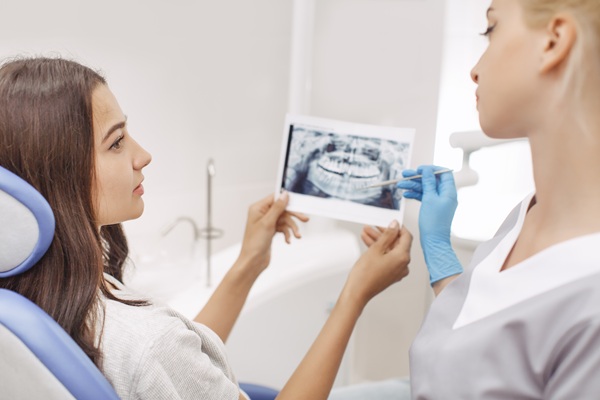
Impacted teeth are a common dental condition where a tooth fails to fully erupt into its proper position in the mouth. This can occur due to crowding, abnormal growth angles, or obstruction by other teeth. Oral surgery, performed by specially trained oral surgeons, plays a critical role in managing impacted teeth, especially when complications arise that may affect dental health, alignment, or overall comfort. Their expertise and advanced surgical techniques are essential for promoting recovery and preventing further dental issues.
What Are Impacted Teeth?
Impacted teeth remain partially or completely trapped beneath the gum tissue or jawbone. While any tooth can become impacted, wisdom teeth (third molars) are the most frequently affected. Impacted teeth can also involve canines, which are essential for maintaining proper bite alignment and aesthetics. When teeth remain impacted, they may cause discomfort, infections, cyst formation, or damage to adjacent teeth.
Signs and Risks Associated with Impacted Teeth
Many individuals with impacted teeth experience symptoms such as pain, swelling, or tenderness in the affected area. Infections can develop around the impacted tooth, leading to gum disease or more serious oral health issues. If the tooth presses against neighboring teeth, it can cause alignment problems, creating a need for orthodontic treatment. In severe cases, impacted teeth may contribute to cyst formation, potentially damaging the surrounding bone and teeth.
Leaving impacted teeth untreated can result in long-term complications, making timely diagnosis and treatment essential. Oral surgeons are specially trained to manage these cases through advanced surgical techniques that promote recovery and prevent further dental issues.
The Oral Surgery Process for Impacted Teeth
Depending on the specific case, oral surgeons perform surgical interventions to remove or reposition impacted teeth. The process usually begins with a thorough examination, including digital X-rays or 3D imaging, to determine the tooth's location and position. This helps the surgeon assess the extent of impaction and plan the appropriate treatment approach.
The procedure is typically performed under local anesthesia, sedation, or general anesthesia, depending on the complexity of the case and the patient’s comfort level. During the surgery, the surgeon makes a small incision in the gum to access the impacted tooth. In cases where the tooth is lodged in the jawbone, a portion of the bone may be removed to free the tooth. The surgeon may section the tooth into smaller pieces for easier extraction.
Recovery and Post-Operative Care
Recovery from oral surgery for impacted teeth usually takes a few days to a week. Patients receive detailed post-operative care instructions, including guidelines for managing pain, swelling, and bleeding. It's normal to experience some discomfort, but this can be managed with cold compresses and prescribed medications. Soft foods and proper oral hygiene are recommended to promote healing and minimize the risk of infection. If you have any concerns during your recovery, don't hesitate to contact your oral surgeon for advice.
Regular follow-up visits with the oral surgeon are essential to monitor healing progress and ensure no complications arise. This ongoing care is a testament to our commitment to your health and well-being. In cases where impacted teeth affect dental alignment, the surgeon may collaborate with orthodontists to plan further treatment.
Consult an oral surgeon today
Oral surgery plays a vital role in addressing impacted teeth, preventing complications, and restoring oral health. With timely intervention and expert surgical care, oral surgeons can relieve pain, protect surrounding teeth, and maintain proper dental function. Whether dealing with wisdom teeth or impacted canines, oral surgery ensures a lasting solution for a healthier smile, giving you the confidence to face the world with a bright, healthy smile. For more information, schedule a consultation visit today at Premier Oral Surgery & Implantology Center.
Request an appointment here: https://stratford.premieroralsurgeryct.com or call Premier Oral Surgery & Implantology Center at (203) 760-0190 for an appointment in our Stratford office.
Check out what others are saying about our services on Yelp: Impacted Teeth in Stratford, CT.
Related Posts
When there is a problem that requires surgery on the nose, lips, jaws or other areas of the face, the services of the oral surgeon are often required for oral health care. The surgery could serve both functional and cosmetic purposes, but the objective is the same: Provide patients with effective treatment. This article covers…
An apicoectomy helps save a tooth when root canal treatment alone cannot resolve infection, and many patients wonder how long it takes to heal after an apicoectomy. Clear expectations about recovery reduce anxiety and support better outcomes. An endodontist reviews the procedure, provides aftercare instructions, and tailors the plan to each patient so the tooth,…
A single tooth implant can replace a natural tooth with a titanium rod and an artificial crown. It is custom-fit to fill the dental space after losing a tooth. Knowing more about this dental replacement can help you prepare for your next visit. Here are the details on how a single tooth implant can enhance…
A sinus lift procedure goes by many other names, including sinus elevation, sinus augmentation, and sinus graft. It can be an important step in the process of having a dental implant placed in the upper jaw to replace a missing tooth. The procedure involves raising the floor of one of the maxillary sinuses and filling…